
Use case
Thrift Flip Photos That Multiply the Margin
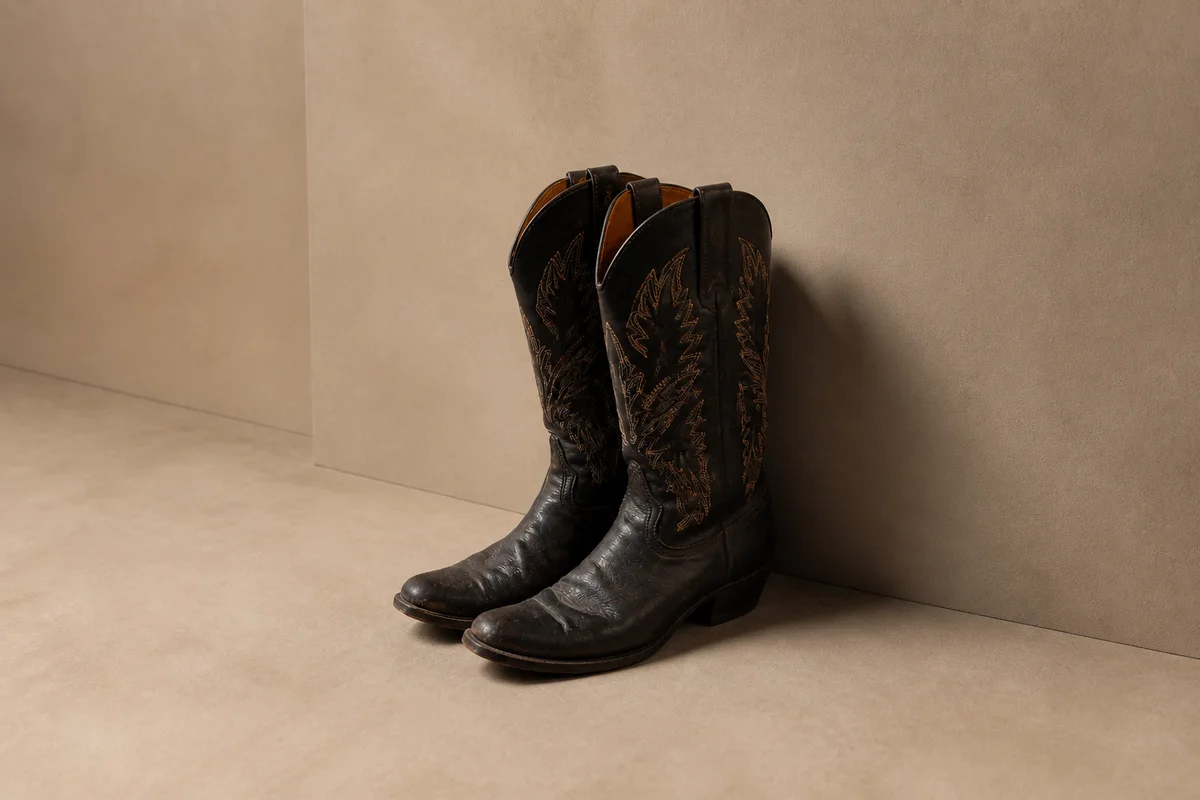

The process shown live — slide the handle to compare.
The entire thrift-flip business model is buying low on presentation and selling high on it. A $6 jacket photographed on a wrinkled bedsheet sells for $15; the same jacket on a clean backdrop with bright light and sharp fabric detail sells for $45. The photo is the flip.
Build a repeatable photo pipeline without a studio corner: shoot each find on whatever surface you have, then cut it onto a consistent clean background, brighten it past thrift-store fluorescent gloom, correct colors so buyers know what arrives, and sharpen labels and fabric texture. Seconds per edit means listing ten finds a night is realistic.
The problems this solves
- Bedsheet and floor backgrounds cap your price no matter how good the find is.
- Fluorescent thrift-haul photos shift every color toward green and gray.
- Brand labels and fabric texture — your best price justification — come out soft.
- Listing volume matters, and staging each item properly takes too long.
A workflow that works
Cut each item onto a clean backdrop
A consistent background across your shop makes a thrift operation look like a curated store.
AI Background RemoverBrighten past the gloom
Bright, even light is the difference between 'used clothes' and 'pre-loved boutique' in a buyer's mind.
AI Lighting ChangerCorrect the color
Buyers keep what matches the photo — fix the cast, then compare against the garment before publishing.
AI Color CorrectionSharpen labels and texture
A crisp brand tag and visible fabric weave let the item justify a real price.
AI Image SharpenerReframe for marketplace crops
Square thumbnails chop long garments — frame each piece so the whole silhouette survives the crop.
AI Photo ReframeFrequently asked questions
How do I keep condition disclosure accurate while editing?
Edit for lighting and background, and photograph flaws deliberately in their own close-ups. You're the one who knows the garment — check each edited photo against it before the listing goes live.
What's a realistic per-item photo time?
Two minutes shooting, one minute editing — each tool runs in seconds, so volume nights stay volume nights.
Does a consistent look actually matter for a reseller shop?
Buyers who land on one listing browse your others; a consistent, clean catalog reads as a trustworthy shop and turns one-item visitors into multi-item carts.
What does it cost to start?
4 free credits when you sign up — enough to test the pipeline on tonight's best find.
Related use cases