
Use case
Campaign Images That Bring In Backers
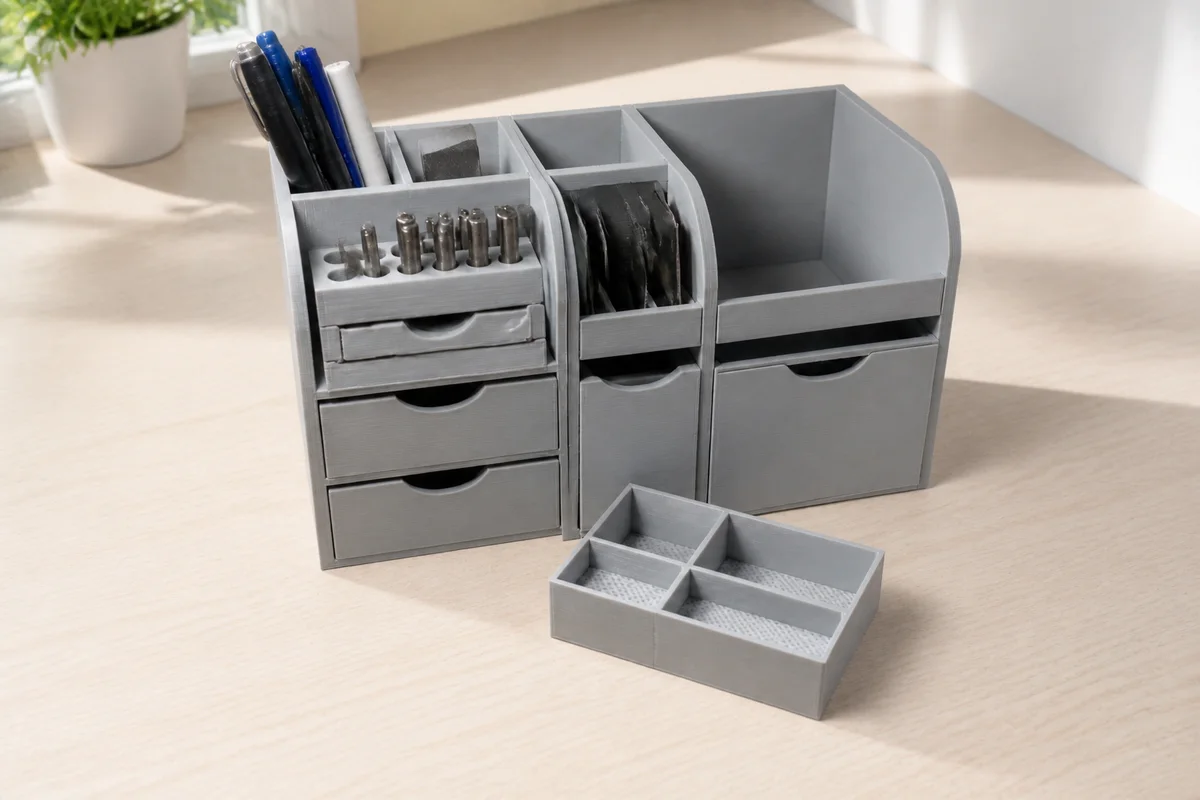
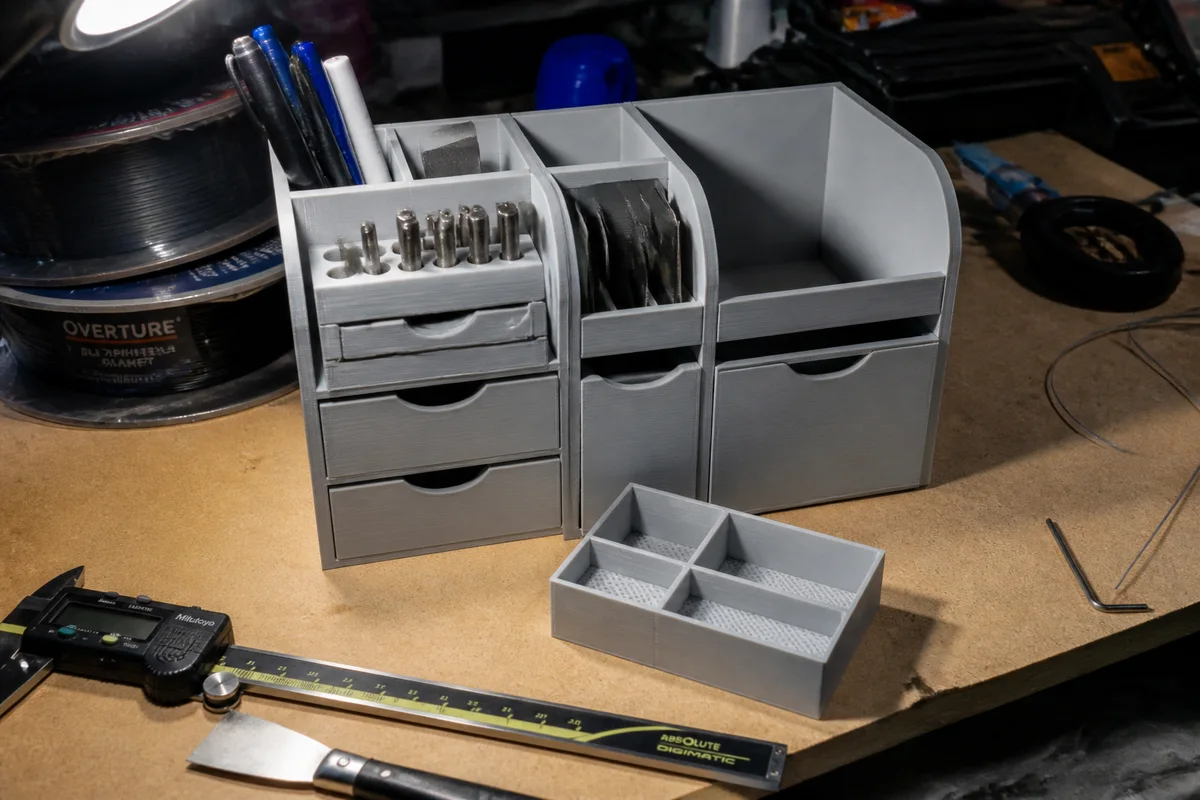
The process shown live — slide the handle to compare.
Crowdfunding backers are pre-ordering a promise, and the campaign images are most of the evidence. The brutal pattern: campaigns with product-grade photography raise multiples of identical ideas shot on a workbench, because a prototype photographed badly looks like a risk, and backers don't fund risks — they fund things that already look real.
Make the prototype look real: cut it out of the workshop onto clean product backgrounds, light it like a launch, sharpen the design details that sell the idea, and build consistent images for every reward tier. Each edit takes seconds, and the campaign page starts making the argument your prototype deserved.
The problems this solves
- Workbench photos make a working prototype look like an unfinished risk.
- The hero image decides shares and clicks across the entire campaign.
- Reward-tier images in mixed quality confuse and cool down backers.
- Campaign prep burns the budget photography was supposed to come from.
A workflow that works
Cut the prototype out of the workshop
Isolating the product from the bench is the instant shift from 'project' to 'product.'
AI Background RemoverStage product-grade scenes
Clean studio and in-context scenes are the visual grammar backers associate with campaigns that ship.
AI Background ChangerLight it like a launch
Launch-quality lighting on the hero image raises the perceived finish of the whole campaign.
AI Lighting ChangerSharpen the design details
Crisp materials and joins are what make backers believe the engineering.
AI Image SharpenerBuild the reward-tier set
Consistent, clearly framed tier images make choosing a pledge level frictionless.
AI Photo ReframeFrequently asked questions
Is it fair to show a prototype looking this polished?
Show the real prototype in its best light, and describe its actual stage in the campaign text — backers deserve to know what exists. The edits fix photography, not progress, and you keep the page aligned with reality.
Which campaign image matters most?
The hero — it's the thumbnail on the platform, the card in every share, and the first thing press sees. Spend your best effort there.
How fast can a full campaign image set come together?
A day: shoot the prototype from every angle, then edit in seconds per image — hero, gallery, tiers, and stretch-goal graphics.
Free to start?
4 credits at signup — the hero image alone is worth the test before launch week.
Related use cases