
Use case
Merch Photos That Move Units
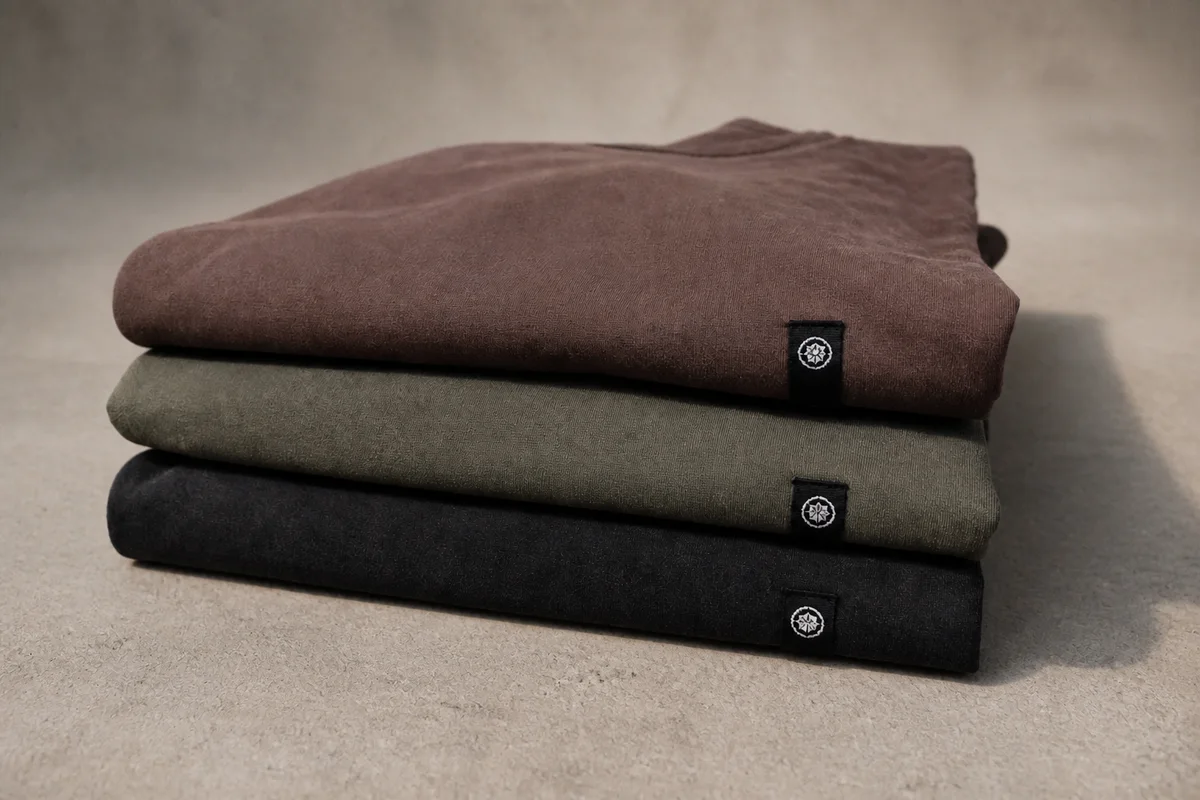
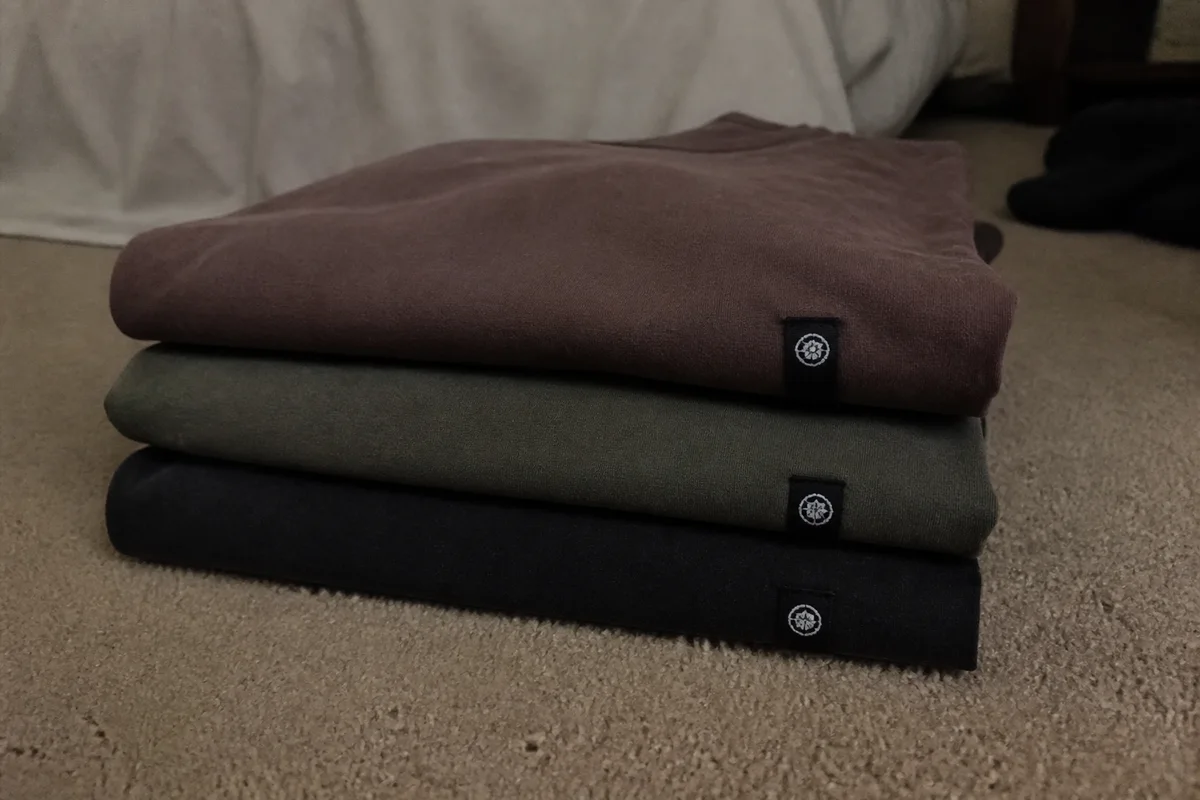
The process shown live — slide the handle to compare.
Creators, bands, podcasts, and brands all hit the same wall: the audience loves the content, the merch drop lands with a thud — and the difference is almost always the product photos. A wrinkled tee flat-photographed on a bedroom floor sells fandom short; the same design shot clean, bright, and sharp sells out sizes. The design earns the interest; the photo converts it.
Give every drop retail-grade photos: cut the garment onto a clean background, fix the wrinkle-shadow mess flat-lays create, true the print colors so the design ships as shown, sharpen for product-page zoom, and build the drop-announcement graphic from the same assets. Seconds per image, per drop, forever.
The problems this solves
- Bedroom-floor flat-lays undersell designs the audience already loves.
- Wrinkles and shadows distort the print that is the entire product.
- Print colors shift under indoor light, and fans notice at unboxing.
- Every drop needs product shots plus announcement graphics on a deadline.
A workflow that works
Cut the garment out clean
A floating, clean-background product shot is the retail standard fans compare you to.
AI Background RemoverLight out the wrinkle shadows
Even light flattens the shadow chaos that makes flat-lays look homemade.
AI Lighting ChangerTrue the print colors
The design's colors are the product — match the photo to the actual print and check it against a sample.
AI Color CorrectionSharpen the design detail
Fans zoom into the artwork they're paying to wear; crispness is respect for the design.
AI Image SharpenerBuild the drop graphic
The same cutout on a hype background becomes the announcement post — one asset, two jobs.
AI Background ChangerFrequently asked questions
Do product photos matter if my audience already wants the merch?
Interest converts at wildly different rates depending on presentation — weak photos leave sales on the table from an audience that was already warm. The photo is the last step of the pitch.
Flat-lay or on-model shots?
Both if you can: flat-lay for the design, on-model for the fit. Both benefit from the same background, lighting, and color fixes, seconds each.
How fast can a drop's assets come together?
Same day — shoot the samples, edit in seconds per image, and reuse the cutouts for announcement graphics and story frames.
What's free?
4 credits at signup — your next drop's hero product shot is the perfect test.
Related use cases