
Use case
Art Photos That Sell the Wall
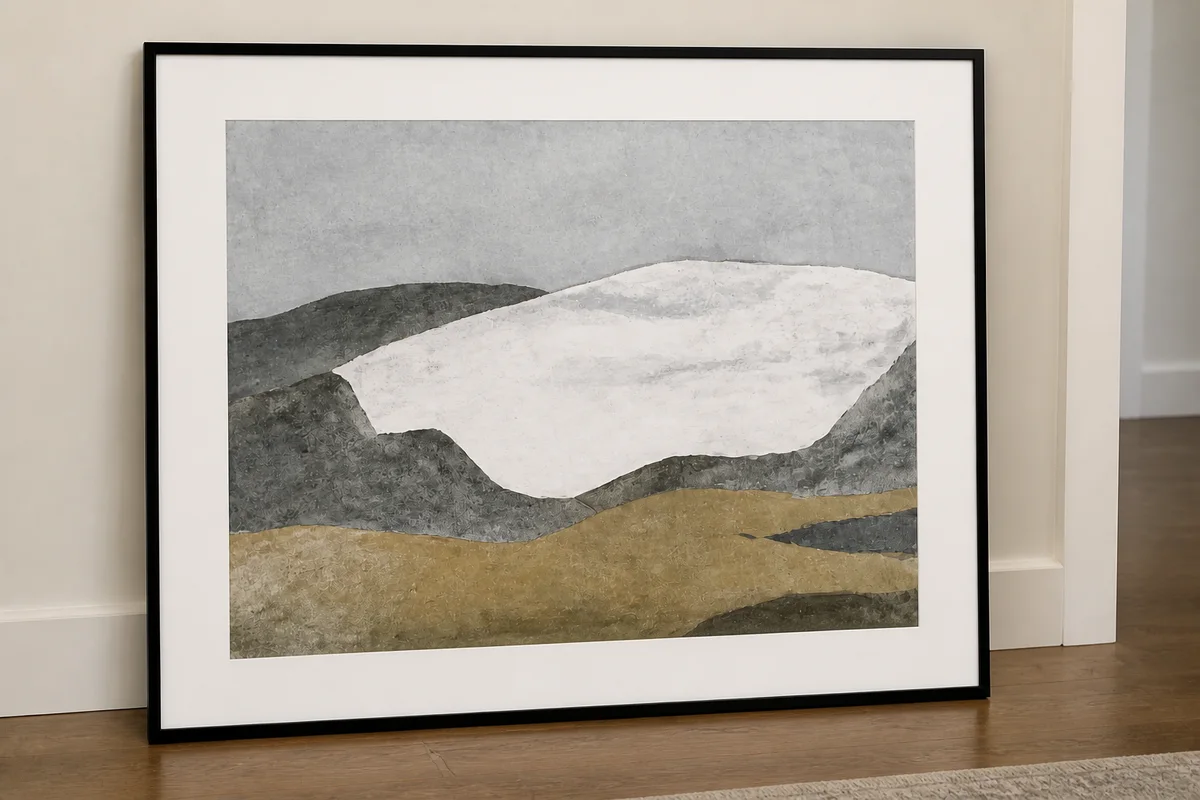
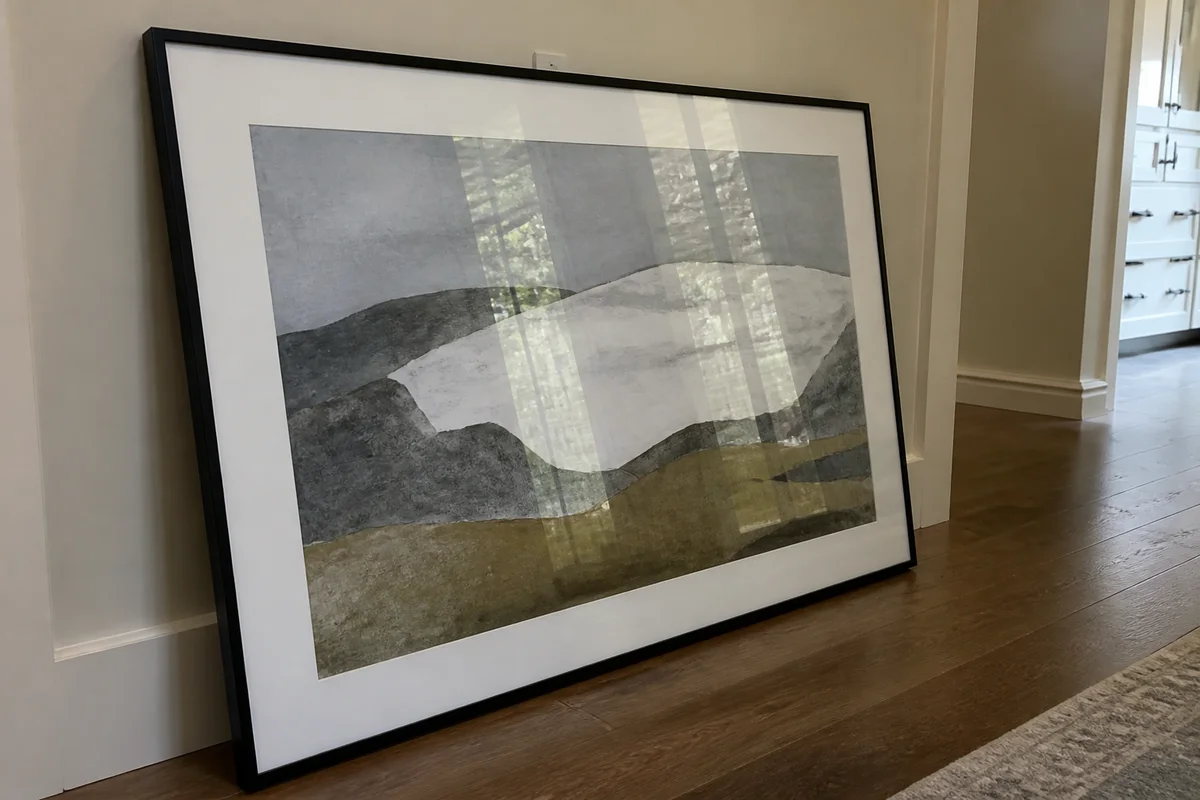
The process shown live — slide the handle to compare.
Selling art and prints online means solving two photo problems at once: the accurate flat shot that shows the work as it is, and the in-room shot that shows the buyer their own wall. Most artists nail neither — glare streaks the flat shot, indoor light shifts the palette they labored over, and the in-room mockup never gets made because staging feels like a production.
Solve both in the editor: cut the glare from glass and varnish, correct the color so the buyer receives the palette they fell for, sharpen the texture that distinguishes an original from a poster, and stage the piece onto styled interior walls without touching a hammer. Seconds per image, and every listing gets both photos it needs.
The problems this solves
- Glare on glass and varnish streaks across the work itself.
- Indoor lighting shifts the palette the buyer will compare on arrival.
- In-room context shots sell scale and style, but staging them is a production.
- Texture — the difference between original and reproduction — vanishes in soft photos.
A workflow that works
Cut the glare
Glass and varnish reflections sit directly on top of the thing being sold.
AI Glare RemovalTrue the palette
The buyer fell for specific colors — deliver them in the photo, and check the edit against the work in daylight.
AI Color CorrectionSharpen the texture
Visible brushwork and paper grain are what justify original and fine-print pricing.
AI Image SharpenerStage the in-room shot
A styled wall mockup answers 'will it work in my space?' — the question that blocks most art purchases.
AI Background ChangerUpscale for zoom
Art buyers zoom into corners and signatures; resolution carries the sale's final moment.
AI Image UpscalerFrequently asked questions
How accurate do art photos need to be?
Very — buyers compare the delivered piece to the listing photo immediately. Correct casts toward how the work looks in neutral daylight, and do the final side-by-side check yourself before publishing.
Are in-room mockups misleading?
They're standard art-market presentation for scale and context. Keep the piece's proportions true in the scene — you review the mockup — and state exact dimensions in the listing.
Can I build mockups for a whole print catalog?
Yes — one styled wall scene can host your entire catalog, seconds per piece, giving the shop a consistent gallery feel.
Free to try?
4 credits at signup — your best-selling print, glare-cut and staged, is the natural test.
Related use cases