
Use case
Restaurant Photos That Fill Tables
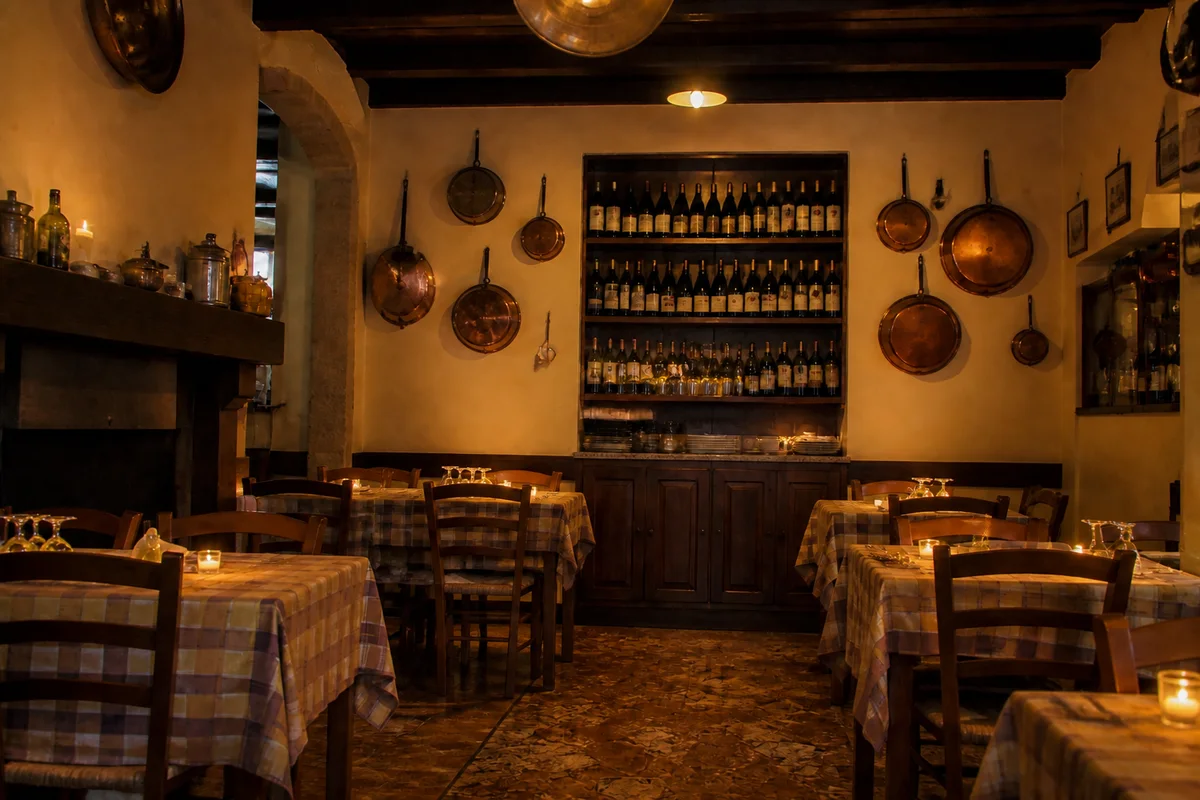
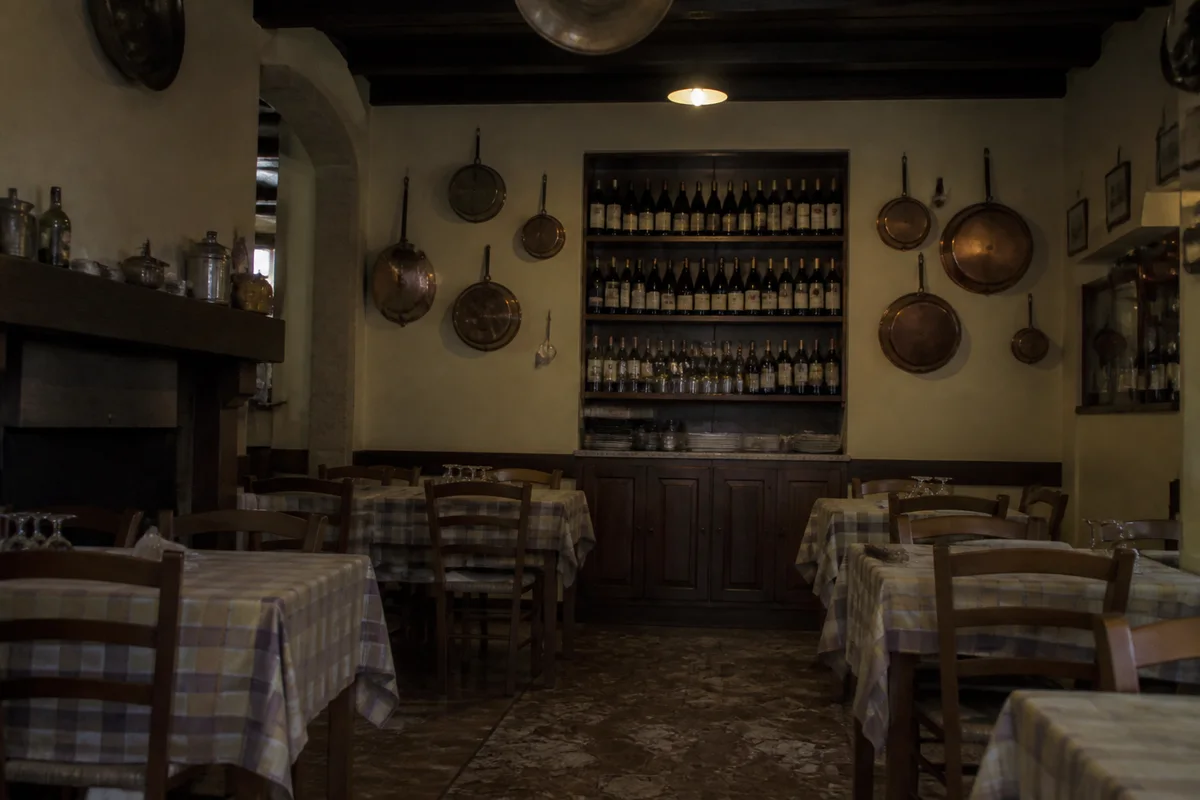
The process shown live — slide the handle to compare.
Before anyone tastes your food, they see it — on maps, review sites, delivery apps, and social feeds, mostly in photos taken by phones in a room you deliberately keep dim. The warm lighting that makes dinner feel intimate makes photos look murky, and murky photos lose diners to the brighter-looking place two doors down.
Fix the gap between the room and the camera: brighten interior shots while keeping the warmth, correct dish colors so plates look fresh instead of amber, clean the service clutter out of dining-room frames, and sharpen the hero shots your profiles lead with. Seconds per edit, across every surface where diners decide.
The problems this solves
- Intentionally dim dining rooms photograph as gloomy instead of intimate.
- Dish photos absorb the amber cast of ambiance lighting.
- Service clutter — trays, rags, staged chaos — sneaks into interior shots.
- Your online presence is built from other people's worst phone photos.
A workflow that works
Brighten while keeping warmth
The goal is inviting-warm, not murky-dark — a lighting edit finds the balance the camera missed.
AI Lighting ChangerCorrect the dish colors
Fresh greens and true reds are appetite triggers; amber casts suppress them.
AI Color CorrectionClear the service clutter
Diners should see the evening they're booking, not the operation behind it.
AI Object RemoverSharpen the hero shots
Your profile photos on maps and review sites are decision points — crisp ones convert lookers to bookers.
AI Image SharpenerReframe for every platform
Maps, delivery, and social all crop differently; one master shot should survive them all.
AI Photo ReframeFrequently asked questions
Which photos matter most for foot traffic?
The first three photos on your maps profile — most diners never scroll past them. Make those a signature dish, the room at its best, and the facade.
Should dish photos match what the kitchen serves?
Yes — shoot real plates as they leave the pass, then fix the lighting the camera got wrong. Diners photograph their food; the comparison happens nightly, and you review each edit against the real plate.
How fast can we refresh every platform?
One photo session, then seconds per edit — a complete presence refresh in an afternoon, no agency invoice.
How do we test it?
4 free credits at signup — fix your maps hero shot first; it has the most eyes on it.
Related use cases