
Use case
Card Photos Collectors Trust Enough to Bid
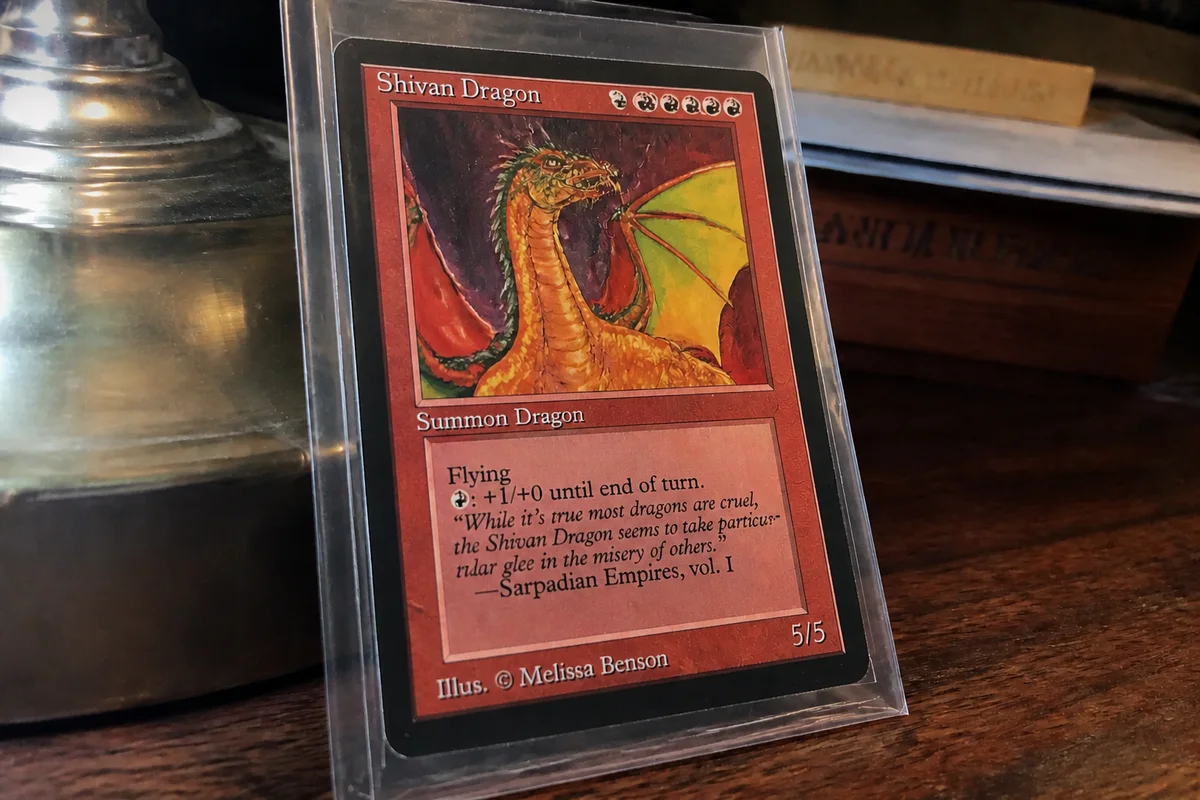
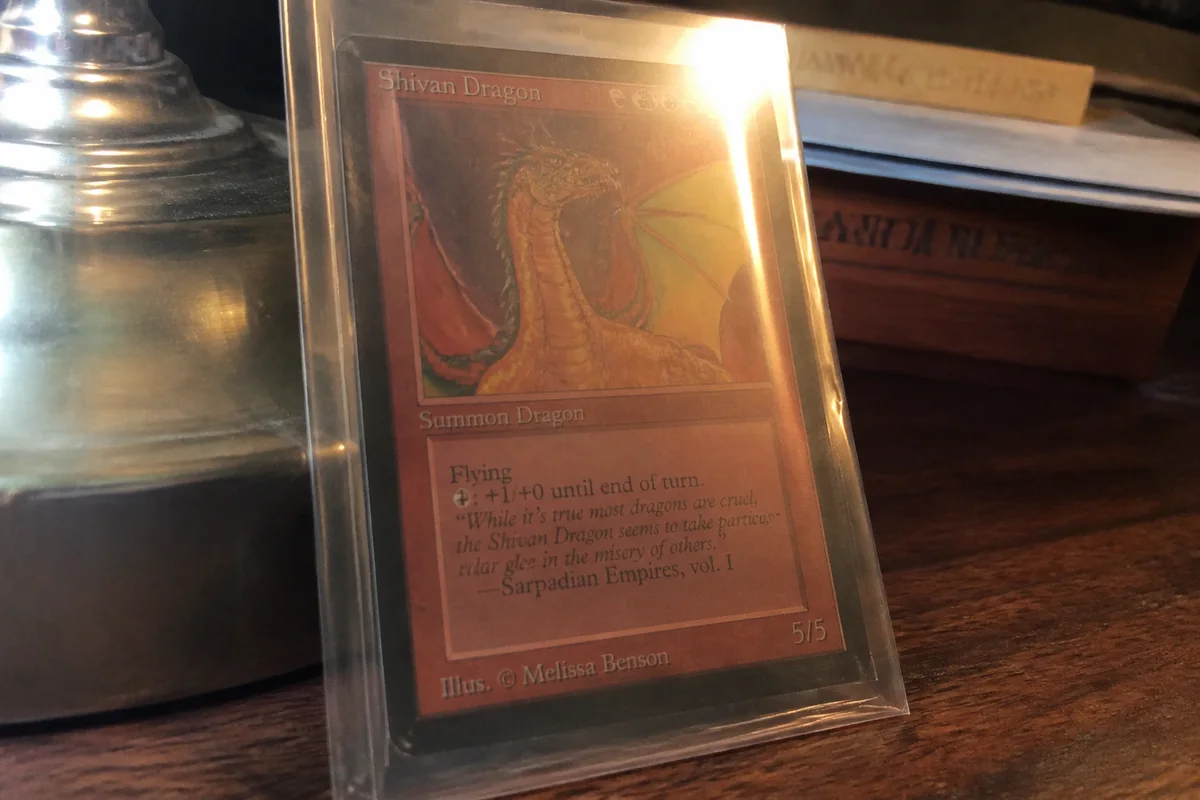
The process shown live — slide the handle to compare.
In trading cards and collectibles, condition is the price — and buyers assess centering, corners, edges, and surface entirely through your photos. Sleeve glare across the face, soft corner shots, and yellow desk-lamp lighting all read the same way to a collector: uncertainty. And uncertainty always bids low.
Remove the uncertainty: cut the glare from sleeves and toploaders so the surface reads clean, sharpen the corner close-ups that grading-minded buyers study, correct the lighting so borders and colors present as they are, and keep every listing photographed to the same standard so your seller profile itself becomes an asset. Seconds per card — on singles where condition perception is most of the price.
The problems this solves
- Sleeve and toploader glare obscures the surface buyers are grading by eye.
- Corner and edge shots blur exactly where condition value concentrates.
- Desk-lamp lighting shifts border and print colors collectors scrutinize.
- Inconsistent photos across listings make a seller look casual — and casual gets lowballed.
A workflow that works
Cut the sleeve glare
Surface assessment is impossible through a glare streak, and buyers price the doubt in.
AI Glare RemovalSharpen corners and edges
Crisp corner shots let strong condition command its premium instead of being assumed away.
AI Image SharpenerTrue the lighting and color
Borders, foils, and print colors should present as they are — check the edit against the card in daylight.
AI Color CorrectionIsolate on a clean surface
A consistent neutral background across listings reads as a serious seller.
AI Background RemoverUpscale for inspection
Collectors zoom to near-microscope levels — resolution is what sustains their confidence.
AI Image UpscalerFrequently asked questions
Do edited photos conflict with condition claims?
The edits remove photographic obstacles — glare, blur, casts — so the card's actual condition shows more clearly, in both directions. Your written condition notes are yours to keep accurate, and you compare every photo against the card.
What's the standard shot set for a single?
Front and back straight-on, all four corners close-up, and any notable flaw. That set pre-answers the questions serious buyers otherwise message about.
Is this worth it on lower-value cards?
Batch economics say yes — seconds per card, and consistent presentation lifts your whole storefront's sell-through, not just the hits.
Free way in?
4 credits at signup — your highest-value single is the obvious first candidate.
Related use cases